Four years past the March 2022 opening of Rosewood São Paulo at Cidade Matarazzo, the property has settled into the position its underwriters and operating team argued for at the development announcement — the default top-of-rate corporate-buyer choice for São Paulo, sitting above an established Fasano-led luxury set that had been the city’s anchor for two decades. The four-year mark is the right window to read how the corporate-program take-up has converted, how the rate posture has held, and how the LatAm premium-cabin demand connecting into the property has structured.
This briefing pulls together what corporate-travel managers, LatAm event planners, and the property’s competitive set are saying about Rosewood’s four stabilized years in São Paulo.
The Cidade Matarazzo Property, Four Years In
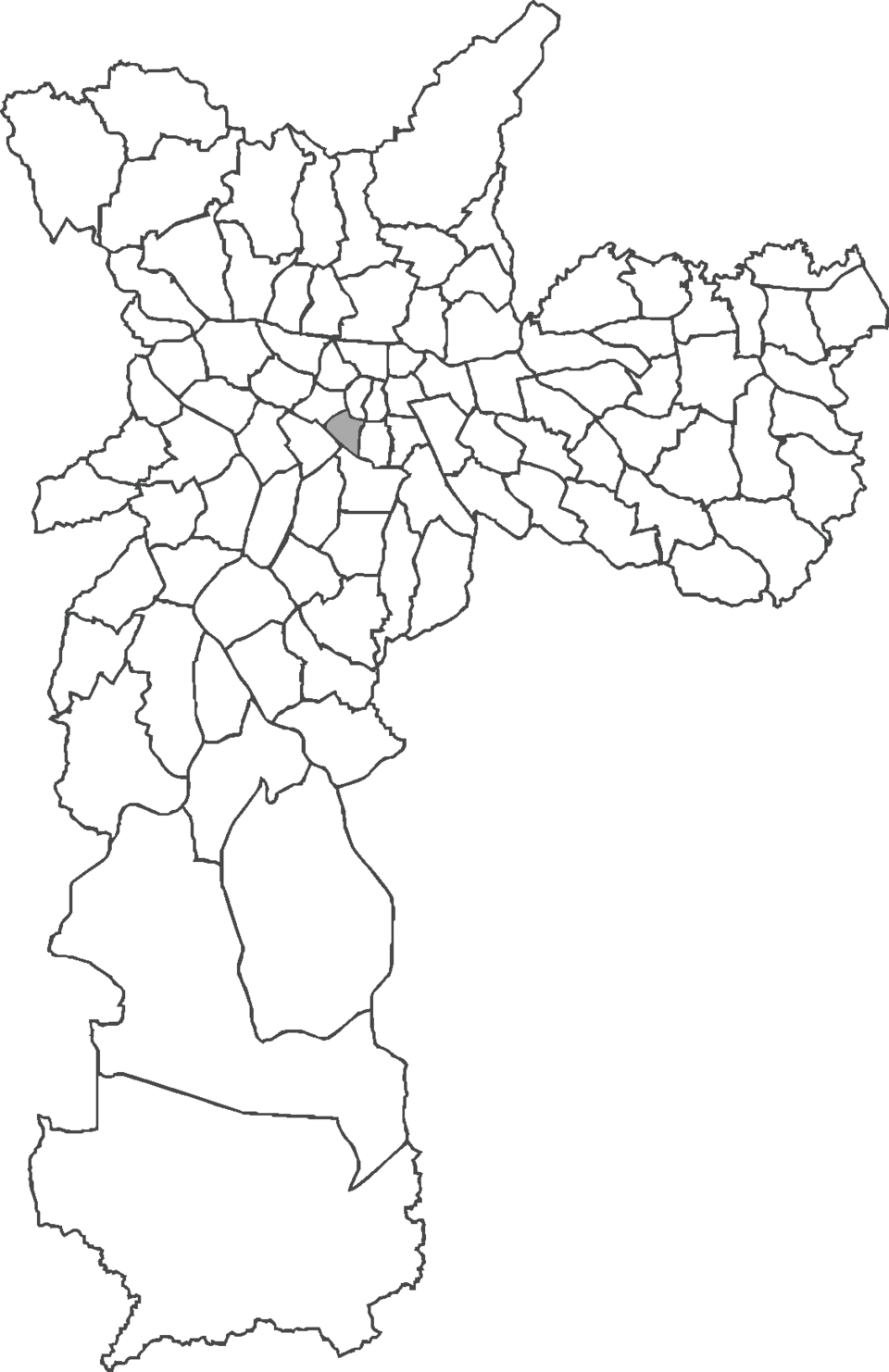
The hotel occupies both the restored Matarazzo Maternity hospital — a 1922 Antônio Garcia Moya building that operated as one of São Paulo’s primary maternity hospitals until its closure in the late twentieth century — and the new Mata Atlantica Tower, a 100-meter vertical garden structure designed by Jean Nouvel and integrated into the heritage building footprint. Philippe Starck handled the interiors throughout. The development sits inside the larger Cidade Matarazzo project, a mixed-use cultural and luxury district that occupies the former Matarazzo industrial campus in the Jardins neighborhood.
The 160-key hotel inventory is split across the heritage and new-build components, with the Mata Atlantica Tower hosting the bulk of the suites and the heritage hospital building running the entry-level rooms and the dining and event floors. The 100 Rosewood-branded private suites — sold rather than rented — sit in a separate stack above the hotel inventory. The split-building floor plate has produced an unusually rich operational footprint for a luxury hotel of this size.
The heritage component is meaningful to the property’s positioning. Restored hospital and industrial buildings have become a recurring vocabulary in the Rosewood brand — Rosewood London occupies a restored 1914 insurance company headquarters in Holborn, Rosewood Hong Kong occupies a new-build but uses heritage-influenced interiors, and the Rosewood Vienna that opened in 2022 occupies a restored 19th-century bank building. The Cidade Matarazzo project is the most ambitious heritage-restoration component in the brand’s portfolio.
Occupancy data is not publicly disclosed by the operator, but triangulating against the property’s published rate posture, conversations with corporate-housing buyers running São Paulo programs, and STR luxury comp-set reports for the Jardins submarket, blended occupancy across the first three stabilized years appears to have run in the upper sixties to low seventies on a trailing twelve-month basis. The fourth year — the one now closing — has reportedly run higher, with the LatAm corporate-travel cycle running hot through 2025 and into 2026.
The Corporate-Buyer Conversion
Rosewood opened into a São Paulo luxury hotel set that had been led for nearly two decades by Fasano São Paulo, the Gero family’s flagship hotel on Rua Vittorio Fasano in Jardins. The Fasano had been the default top-of-rate corporate-buyer choice for São Paulo since opening in 2003. The Palacio Tangara in Vila Andrade, which opened in 2017 under the Oetker Collection management, runs a more residential and leisure-leaning mix. The Tivoli Mofarrej São Paulo on Avenida Paulista, the Renaissance São Paulo, and the Grand Hyatt São Paulo round out the established corporate-luxury set.
Rosewood has converted the bulk of the new corporate-program take-up since opening. Corporate-travel managers at three São Paulo-headquartered firms — one financial services firm, one law firm, and one consulting firm with a major São Paulo office — described the property as their default top-of-rate São Paulo address for client-facing nights and board off-sites. Fasano has held its established book and continues to run as the city’s entertainment and longer-stay flagship, but the new corporate-program take-up has gone primarily to Rosewood.
That competitive split is the cleanest read on what Rosewood’s first four years have done to the São Paulo luxury market. The Fasano has not been displaced, but the rate-card ceiling has been reset, and the new corporate-program demand has accreted to Rosewood. That is a structurally healthy outcome for both properties and is consistent with how new top-of-rate openings have rebalanced luxury markets in New York (Aman New York), London (Peninsula London), and Boston (Raffles Boston Back Bay).
The LatAm regional-headquarters corporate book — multinational firms running São Paulo as their Latin America regional headquarters — has been the structurally most important segment for Rosewood. The Jardins location is the established luxury-residential and corporate-office walking-radius zone, and the Cidade Matarazzo address sits inside that walking radius. Corporate-travel managers at three multinational firms with São Paulo regional headquarters described the property as their default LatAm regional-meeting and board-off-site venue.
The LatAm Premium-Cabin Demand Pattern
São Paulo Guarulhos International Airport (GRU) is the largest aviation hub in Latin America and runs heavy premium-cabin demand on the long-haul US, European, and intra-LatAm routes that connect São Paulo to the rest of the world. LATAM Airlines is the largest carrier into GRU and runs Premium Business class on its Boeing 777-300ER and 787-9 fleet on the long-haul US, European, and trans-Pacific routes. United Polaris operates daily Boeing 787-9 service from Houston (IAH) and Newark (EWR). American Airlines runs Flagship Business from Miami (MIA) and Dallas (DFW). Delta runs One service from Atlanta (ATL). Lufthansa, KLM, and Air France run European long-hauls. British Airways and TAP Portugal run European connections.
The intra-LatAm premium-cabin demand is also meaningful. Avianca’s Bogota service, LATAM’s Lima and Santiago services, Aerolineas Argentinas’s Buenos Aires service, and the multiple São Paulo-Santiago and São Paulo-Lima connections all run premium-cabin volume that feeds into the corporate-travel program book at the city’s top hotels. Rosewood’s corporate book has reportedly run heaviest on the US Polaris and Flagship Business connections — the Northeast US, Texas, and Miami corridors — and on the Bogota, Mexico City, and Buenos Aires intra-LatAm connections.
The premium-cabin demand pattern matters to the hotel rate strategy in a direct way. The property’s corporate book is concentrated in the multinational-headquarters and intra-LatAm regional-meeting demand segments, both of which run on premium-cabin air. The hotel’s positioning as a top-of-rate corporate address is structurally aligned with that demand mix — guests arriving on Polaris, Flagship Business, or LATAM Premium Business are the demand segment that supports the rate posture the property has held.
GRU is roughly 25 kilometers from the Cidade Matarazzo property, with the property’s car service running airport transfers as a standard inclusion for suite-category bookings and as a premium add-on for entry-rate rooms. The transfer time runs roughly 45 to 75 minutes depending on traffic, which is structurally consistent with the GRU-to-Jardins corridor for any property in the area.
Rate Posture: How Rosewood Is Pricing
Entry-level rooms at Rosewood São Paulo have published in the 2,500 to 4,000 Brazilian real range during shoulder weeks across the property’s third and fourth stabilized years, which translates to roughly 500 to 800 US dollars at the late-2025 and early-2026 exchange rate. Weekday business-compression windows — the March and April financial-services corporate-event cycle, the September-October LatAm regional-meeting cycle, and the November business-traveler peak — push entry rooms past 5,500 reais.
Suite categories begin around 8,000 reais for the smallest premium category and climb steeply through the Garden Suite and Mata Atlantica Suite tiers. The top-tier published key, the Cidade Matarazzo Suite, has cleared past 50,000 reais during the highest-compression windows. The middle of the rate stack — Premier rooms and the entry suite tier — is where the property is doing most of its revenue work, and those categories are clearing at rates that price Rosewood meaningfully ahead of where Fasano and the Palacio Tangara are running for equivalent square footage.
Fasano runs at roughly a 30 to 40 percent discount to Rosewood at entry-rate parity during shoulder weeks, which reflects the rate-card reset Rosewood has executed in the São Paulo market and the structural rate posture Fasano has held since opening. The Palacio Tangara runs at roughly the same entry-rate position as Fasano, and the Tivoli Mofarrej and Grand Hyatt run another 30 to 50 percent below Fasano at entry-rate parity.
Rate parity is enforced across direct booking, the GDS, and the consortia channels Rosewood participates in. The brand runs through the Virtuoso and Signature consortia channels and offers a curated preferred-partner amenity package through both, which means corporate-housing desks running São Paulo programs through standard third-party amenity-stacking channels can access the property’s rate posture with reasonable amenity benefits. The property does negotiate corporate-program rates for repeat institutional clients through the Rosewood global commercial team.
The Cidade Matarazzo Development and the Broader District
The Cidade Matarazzo development is the larger mixed-use cultural and luxury district that occupies the former Matarazzo industrial campus in Jardins. The campus was developed by the Matarazzo family — one of São Paulo’s most prominent Italian-Brazilian industrial dynasties — in the late nineteenth and early twentieth centuries, and the buildings that survived the campus’s industrial-era use have been restored as heritage components within the broader development. The Rosewood São Paulo is the development’s hotel anchor.
The district also includes luxury retail, cultural programming, restaurants, and the Capela do Sagrado Coração de Jesus, a restored 1922 chapel that now functions as a heritage cultural venue. The Mata Atlantica Tower, in addition to housing the hotel suite inventory, has integrated native Atlantic Forest plantings into its facade as a continuous vertical garden, with maintenance run by an in-house horticultural team.
The district’s positioning as a culture-led luxury anchor in Jardins is structurally similar to how the Faena District has positioned itself in Mid-Beach Miami. Both projects are anchored by a luxury hotel, sit inside an established walkable luxury-residential neighborhood, and combine heritage components with new-build vertical anchors. The Cidade Matarazzo project predates the Faena District concept by several years in São Paulo’s planning timeline, and the success of the Rosewood hotel as the district’s anchor is one of the strongest validations of the heritage-restoration-plus-vertical-anchor model for luxury hotel development in Latin America.
What the Four-Year Mark Tells Us About the LatAm Luxury Market
Rosewood São Paulo’s four-year stabilization is a useful data point for the broader Latin America luxury hotel market. São Paulo was the first major LatAm market to receive a top-of-rate global luxury brand opening in the post-pandemic cycle, and the success of the property has been one of the structural inputs into the LatAm luxury development pipeline that has accelerated through 2024, 2025, and into 2026.
The Mexico City luxury market — anchored by the Four Seasons Mexico City, the St. Regis Mexico City, and the Las Alcobas — has seen new luxury development activity that is being underwritten in part against the Rosewood São Paulo case. The Buenos Aires luxury market — anchored by the Park Hyatt Buenos Aires, the Four Seasons Buenos Aires, and the Faena Hotel Buenos Aires — is also seeing renewed development interest. The Lima market, anchored historically by the Belmond Hotel Paracas and the Country Club Lima Hotel, has new development activity tied to the post-Macchu Picchu corporate and leisure flow.
The next data point worth watching for the São Paulo market specifically is whether a second top-of-rate global brand will open in the city in the next development cycle. The Aman portfolio does not currently include a Brazilian property, the Bulgari portfolio does not currently include a Brazilian property, and the Four Seasons São Paulo runs as a strong but second-tier rate position rather than as a direct Rosewood competitor. If a second top-of-rate brand enters the São Paulo market, the rate ceiling Rosewood has set and held through its first four years will be the reference point that the new entrant underwrites against.
For corporate-travel managers running LatAm regional programs, the operational read is that São Paulo now has a clean top-of-rate corporate address that is structurally comparable to what Mexico City, Buenos Aires, and Lima offer at their top tiers. The Rosewood positioning is the right reference for top-of-rate LatAm regional-headquarters programming, and the four-year stabilization confirms that the rate posture is durable through both strong and softer LatAm corporate-travel cycles.
The Cidade Matarazzo address has become the LatAm luxury-hotel reference point of the decade. The four-year mark confirms it.